
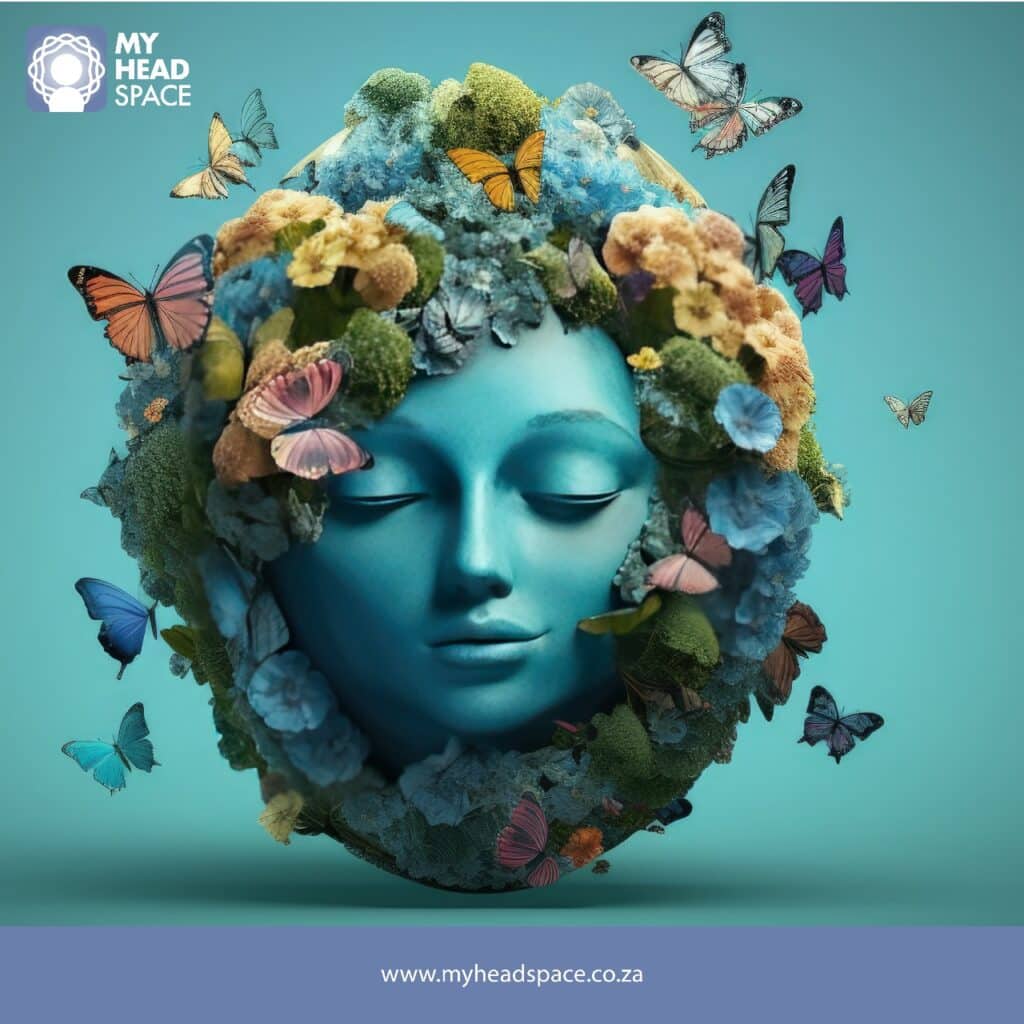
Understanding Dialectical Behavior Therapy (DBT)
Understanding Dialectical Behavior Therapy (DBT): A Practical Path to Emotional Balance
When emotions feel overwhelming or relationships become difficult to navigate, finding the right kind of support can make all the difference. One highly effective, evidence-based approach is Dialectical Behavior Therapy (DBT)—a structured form of therapy designed to help people manage intense emotions, build healthier coping strategies, and improve their quality of life.
What Is Dialectical Behavior Therapy (DBT)?
Dialectical Behavior Therapy (DBT) is a type of cognitive-behavioral therapy that focuses on balancing two key ideas: acceptance and change. Originally developed to support individuals struggling with intense emotional responses, DBT is now widely used to treat a range of challenges, including anxiety, depression, trauma, and substance use.
At its core, DBT helps individuals learn how to:
-
Accept their thoughts and feelings without judgment
-
Change behaviors that are unhelpful or harmful
-
Build skills to navigate stress and relationships more effectively
The Four Core DBT Skills
DBT is built around four main skill areas that work together to support emotional well-being:
1. Mindfulness
Mindfulness is about being present in the moment without judgment. It helps you observe your thoughts and emotions instead of being overwhelmed by them.
2. Distress Tolerance
This skill focuses on getting through difficult moments without making things worse. It includes techniques like grounding, self-soothing, and crisis survival strategies.
3. Emotional Regulation
Emotional regulation helps you understand and manage intense emotions. You learn how to reduce emotional vulnerability and respond more effectively to situations.
4. Interpersonal Effectiveness
This area focuses on improving communication and relationships—helping you set boundaries, express your needs, and maintain self-respect.
Who Can Benefit from DBT?
While DBT was initially developed for individuals with borderline personality disorder, it has proven effective for many people, including those dealing with:
-
Chronic stress or emotional overwhelm
-
Self-destructive behaviors
-
Addiction and substance use challenges
-
Anxiety and depression
-
Trauma-related difficulties
If you often feel like your emotions are “too much” or hard to control, DBT offers practical tools to help you regain balance.
What to Expect in DBT Therapy
DBT is typically structured and may include:
-
Individual therapy sessions
-
Group skills training
-
Homework and real-life practice
-
Coaching support during difficult moments
This combination ensures that skills are not only learned but also applied in everyday life.
Why DBT Works
DBT stands out because it doesn’t just focus on talking about problems—it teaches real, usable skills. By combining acceptance with change, DBT empowers individuals to build resilience, improve relationships, and create a more stable emotional foundation.
Taking the First Step
Starting therapy can feel intimidating, but it’s also a powerful act of self-care. DBT offers a supportive, structured approach to help you better understand yourself and develop healthier ways of coping.
At MyHeadSpace, we believe that everyone deserves access to tools that support emotional well-being. Whether you’re navigating daily stress or deeper challenges, DBT can be a meaningful step toward a healthier, more balanced life.
Ready to explore DBT? Reaching out to a qualified therapist or mental health professional can help you decide if this approach is right for you. Change is possible—and it starts with the right support.